
Free Plumbing SEO Audit for Discovered-Not-Indexed Pages, Crawl Paths, Maps Visibility, and Booked Calls
Request a manual plumbing SEO audit that checks whether your website is discoverable, indexable, internally linked, locally relevant, and clear enough to turn Google searches into qualified plumbing calls and booked jobs. The July 29, 2026 discovered-not-indexed conversion-risk refresh keeps this already-published free-audit URL as the single diagnostic destination, separates it from the paid full audit page, and makes the page purpose unmistakable for Google and plumbing owners.
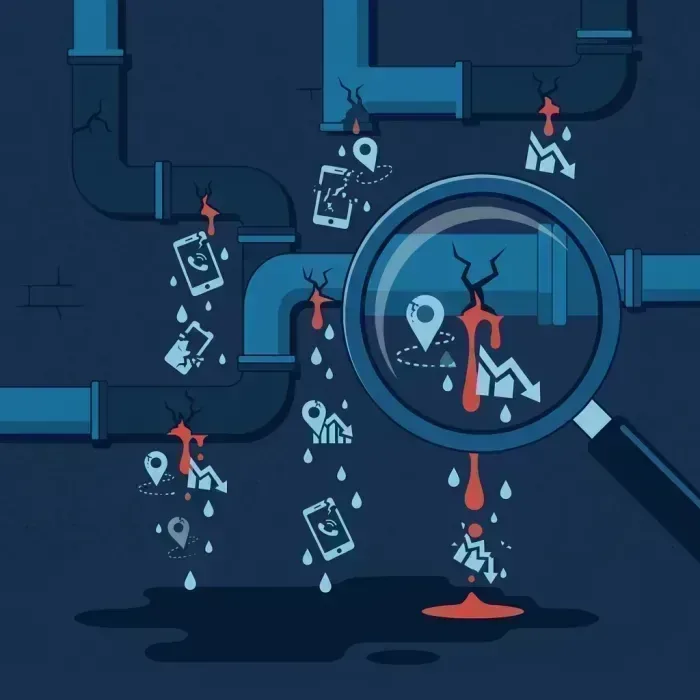
What this free plumbing SEO audit checks
Most generic SEO audits produce a long software export and leave the owner guessing what matters. This free review is built for plumbing companies that need a clear first diagnosis before committing to a deeper paid plumbing website SEO audit or monthly SEO plan. We look at the pages, local signals, index discovery clues, and search paths that turn a homeowner with a leak, drain clog, sewer issue, or water heater problem into a phone call.
The goal is not to overwhelm you with every possible SEO issue. The goal is to identify the highest-impact leaks: the places where Google may discover a page but not index it, where Google Maps may be sending calls to competitors, where service intent is not matched by a useful page, or where a visitor reaches the site but does not know what to do next.
- ✓ Indexability and crawl signals: whether important pages are crawlable, canonical, internally linked, and useful enough to deserve indexing.
- ✓ Google Maps visibility: whether your Google Business Profile and local pages support the areas your trucks actually serve.
- ✓ Service-page gaps: whether high-value work such as water heaters, sewer repair, drain cleaning, and emergency plumbing has clear ranking support.
- ✓ Conversion leaks: whether a homeowner can quickly understand, trust, and contact your company from mobile search.
No high-pressure sales call. No recycled PDF. You get a clear manual teardown of what is holding back search visibility and local calls.
Built to answer discovered-not-indexed risk without changing the URL
This page is the canonical destination for plumbing companies that want a free SEO audit. The copy, schema, heading structure, and internal links now make that intent explicit instead of relying on the homepage, pricing page, or an audit-process blog post to satisfy audit searches.
Canonical audit intent
The page keeps the existing /services/free-seo-audit URL and canonical tag, then reinforces that it is a free diagnostic offer for plumbing owners before any deeper plumbing website SEO audit. That avoids creating a duplicate paid-audit page, changing the slug, or splitting crawl signals across multiple audit URLs.
Stronger routing signals
Relevant visitors can move from this diagnostic offer into plumbing SEO services, the PlumbingSEO process, local SEO for plumbers, the deeper plumbing website SEO audit service, or the pricing page depending on what the free audit uncovers.
Useful page-level substance
Instead of a thin form page, the audit page explains what is checked, how findings are prioritized, why indexability matters, and what plumbing owners can expect before they submit contact details.
A free audit should be indexable, useful, and conversion-ready
If Google discovers a service page but hesitates to index it, the page often needs clearer intent, stronger internal context, and more original value. This refresh makes the audit offer more useful for searchers and more connected to the rest of the PlumbingSEO.agency site.
Clearer search intent
The page now speaks directly to plumbing owners looking for a plumbing SEO audit, not a generic marketing report. It explains the exact business problems reviewed: rankings, Maps visibility, service pages, and call conversion.
Stronger internal context
The audit is positioned as the diagnostic entry point before deeper plumbing SEO services, a repeatable SEO process, or package selection on the pricing page.
Better owner usefulness
Instead of promising a vague score, the page explains what a plumbing company can act on: which pages need work, where local visibility is thin, and what should be fixed first.
What happens after you submit the free audit request
The form is short on purpose, but the follow-up is not vague. The audit turns the website, Google Maps, and service-page review into a clear priority snapshot so the owner knows what is blocking visibility and what to fix first.
1. We confirm the crawlable destination
We start with the submitted website and make sure the important pages can be reached, crawled, canonicalized, and connected from useful navigation or contextual links. If a page is only discovered in a sitemap, that becomes a priority finding because sitemap presence is an invitation for discovery, not a guarantee that Google sees enough value to index the URL.
2. We separate quick wins from deeper audit work
Simple issues such as weak titles, missing internal links, thin service copy, poor alt text, or unclear calls to action are separated from problems that require a deeper plumbing website SEO audit.
3. We map the next action to calls
The output is tied to business impact: more qualified plumbing calls from organic search, Google Maps, and high-intent service pages. If the next move is local SEO, pricing review, or a full service plan, the recommendation points there directly.
What you receive after requesting the audit
A useful plumbing SEO audit should answer one question: where are searchers falling out of the path from Google to booked job? We review the visible signals a homeowner and search engine can see, then translate them into a short list of priorities.
1. Website and indexability check
We look for missing or weak title tags, thin service pages, confusing canonical signals, broken internal links, slow mobile call paths, and pages that Google may discover but not treat as valuable enough to index.
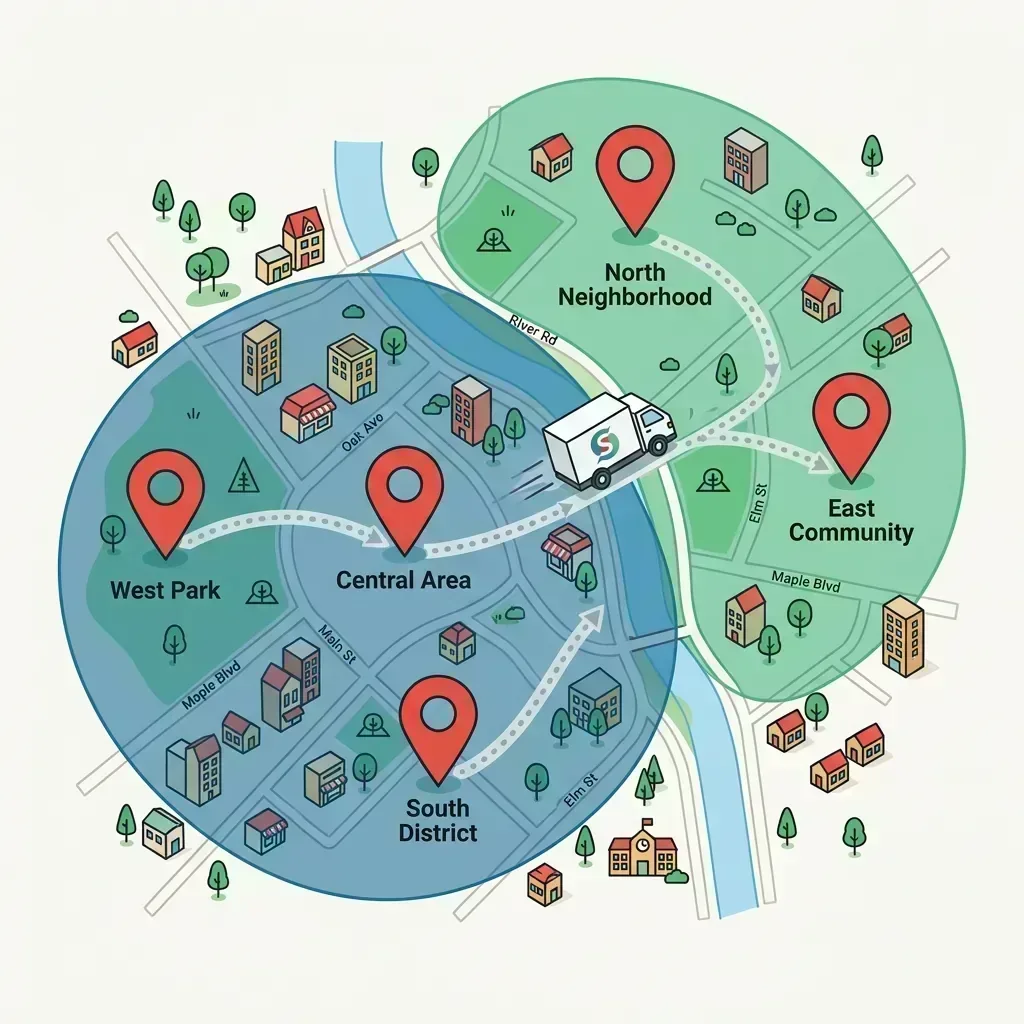
2. Google Maps and local intent check
We review how well your website supports the Google Business Profile. That includes location language, service-area coverage, reputation signals, and whether the site backs up the markets and jobs your listing claims.
3. Service-page and keyword map check
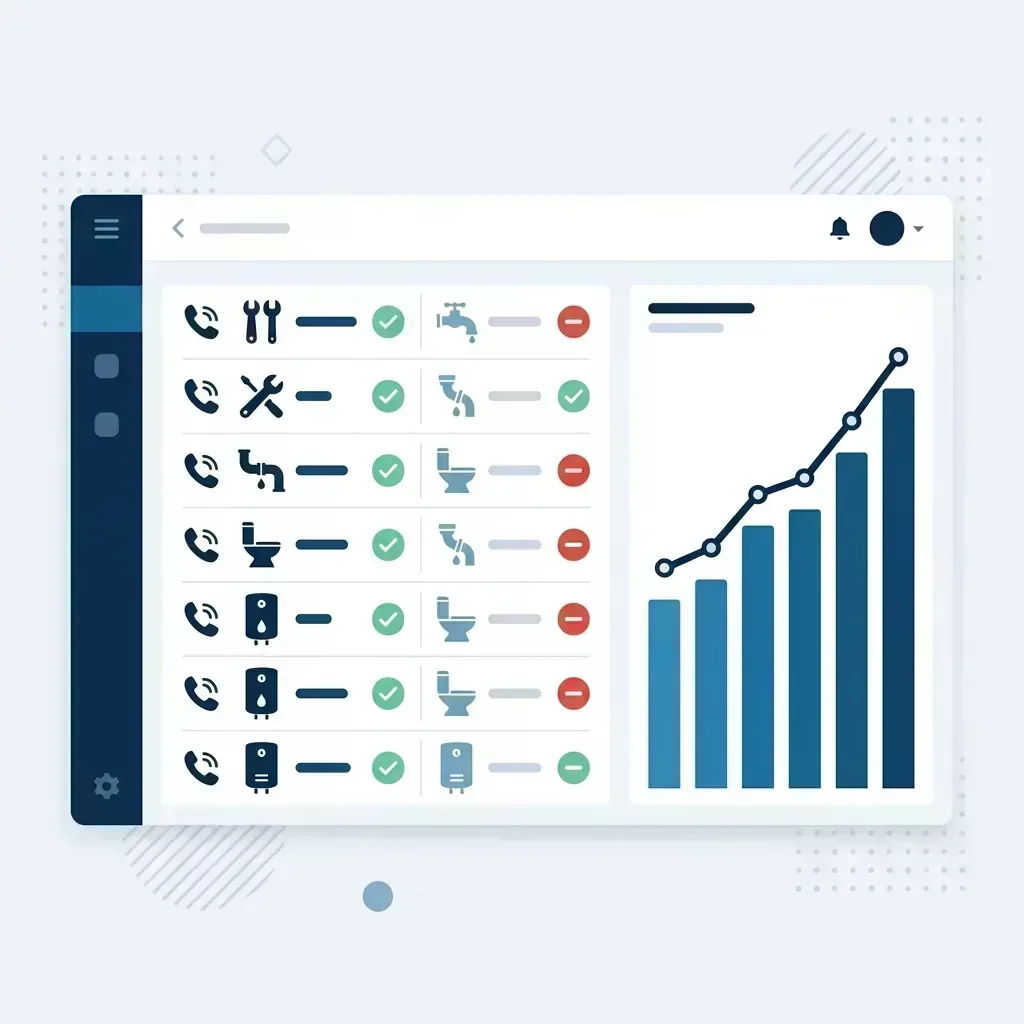
Plumbing companies often have a homepage and a contact page but no dedicated support for profitable services. The audit highlights missing or weak pages for emergency plumbing, drain cleaning, sewer repair, water heaters, leak detection, and other local money terms when they matter for your market.
4. Internal-link and routing check
We look for places where the site already has useful pages but does not guide Google or visitors to the right next step. A blog about the audit process should point to this audit page; a services hub should point owners to the diagnostic offer; and pricing or process pages should support the audit without replacing it.
5. Conversion and proof check
The audit also reviews whether mobile visitors can quickly see what the plumbing company does, which areas it serves, why it can be trusted, and how to request help. Ranking improvements matter most when the page can turn qualified visibility into calls, forms, and booked jobs.
6. Free-vs-paid audit routing
If the first pass shows one obvious blocker, the free audit can point to that priority. If the problem needs deeper evidence, competitor review, tracking cleanup, or a documented fix sequence, we route you to the paid plumbing website SEO audit service so the free offer stays clear and the deeper audit has its own purpose.
The audit sorts findings by business impact
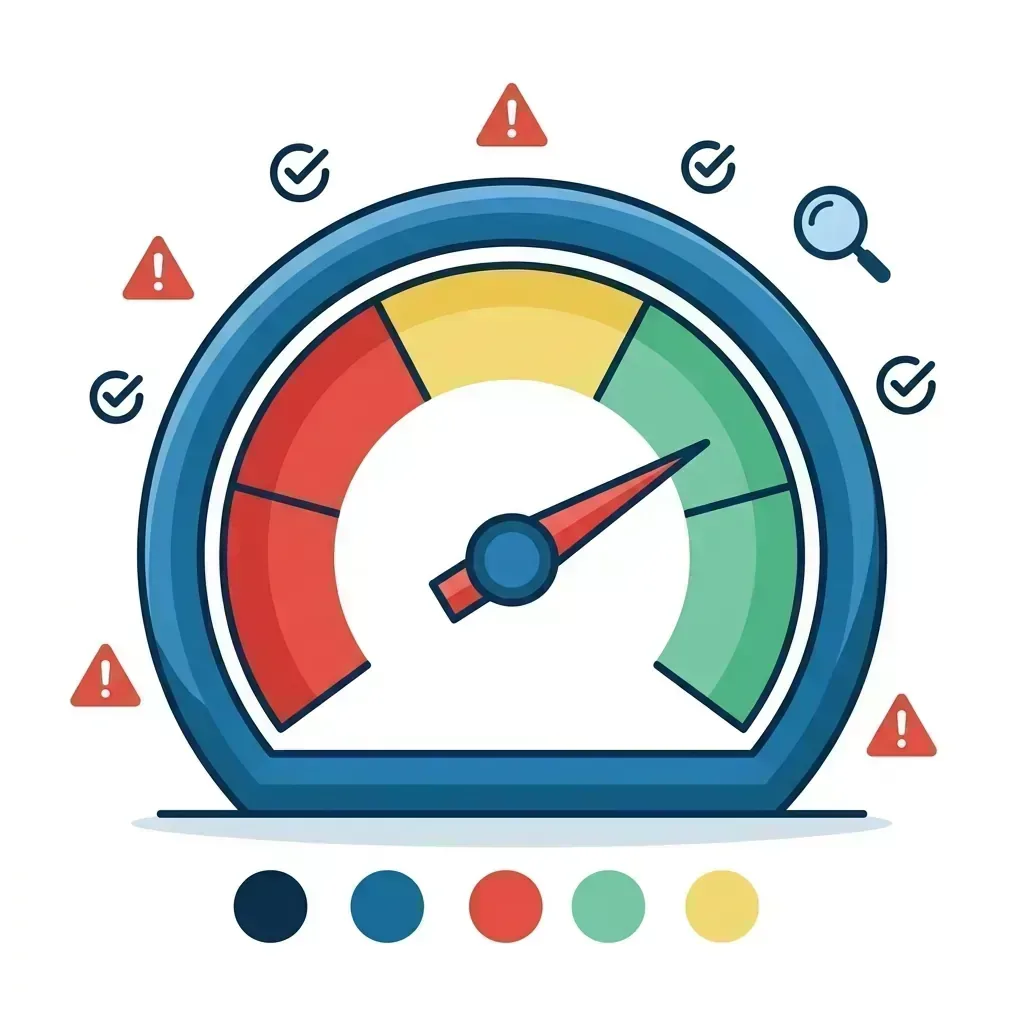
A plumbing company does not need a hundred SEO recommendations at once. It needs the next few fixes most likely to improve qualified calls.
Critical leaks
These are blockers that can suppress visibility or waste demand: non-indexed service pages, wrong canonical targets, missing local proof, inaccessible calls to action, no clear service-area path, or confusing page intent.
Growth leaks
These are opportunities that compound over time: better internal links from relevant blog posts, stronger FAQs, clearer proof around emergency availability, and service pages that match how homeowners actually search.
Trust leaks
These include weak review prompts, thin company proof, unclear coverage areas, or pages that make the plumbing company look less established than competitors in the same local pack.
Conversion leaks
Even a ranking page can underperform if the phone number, form, service promise, or next step is not obvious on mobile. The audit connects SEO findings to the call path.
Best fit for plumbing companies that want more organic calls
This audit is most useful if you already have a website and want to understand why local search is not producing enough calls. It is also useful before choosing an SEO plan because it shows whether you need foundational cleanup, focused service-page work, or a broader growth program.
- Newer plumbing companies that need a first SEO priority map.
- Established shops that rank in one city but not nearby service areas.
- Companies with a site in the sitemap but weak or missing indexation.
- Owners comparing DIY SEO with a specialized plumbing SEO agency.
- Teams already running ads that want organic and Maps leads to reduce paid-lead pressure.
For deeper strategy after the audit, review our plumbing SEO services guide or compare plumbing SEO agency vs DIY.
Why a plumbing SEO audit is different from a generic SEO scan
A plumbing company is not trying to win vanity traffic. It needs search visibility that turns emergency, repair, replacement, and maintenance demand into booked work in the service area it can actually cover.
Search intent is tied to job type
A generic audit may say a page needs more words or backlinks. A plumbing audit asks whether the page matches the job a homeowner needs right now: emergency plumber, drain cleaning, sewer line repair, water heater replacement, leak detection, or local maintenance. That changes the title, internal links, CTA language, and proof a page should show.
Local proof matters as much as page polish
Google Maps and organic results are connected by the same trust problem: does this company look like the right plumber for this market? The audit checks whether the site supports the Google Business Profile with service-area language, local pages, reviews, phone paths, and links that make the company easy to understand.
What we check when Google discovers a page but does not index it
Discovered-but-not-indexed pages often need a clearer reason to exist. The audit reviews whether the page is technically accessible, internally supported, distinct from similar pages, and helpful enough to deserve a place in search results.
Technical access
We check index tags, canonical tags, sitemap presence, internal crawl paths, descriptive image alt text, and obvious blockers that can make a page harder for Google to evaluate.
Distinct page purpose
We look for overlap with the homepage, services hub, pricing page, and relevant blog posts. The free audit page should own audit-request intent while supporting, not cannibalizing, the broader plumbing SEO service pages.
Internal support
We check whether related content points to the right destination. Audit-process content can explain how reviews work, while this page should remain the conversion path for owners ready to request the manual review.
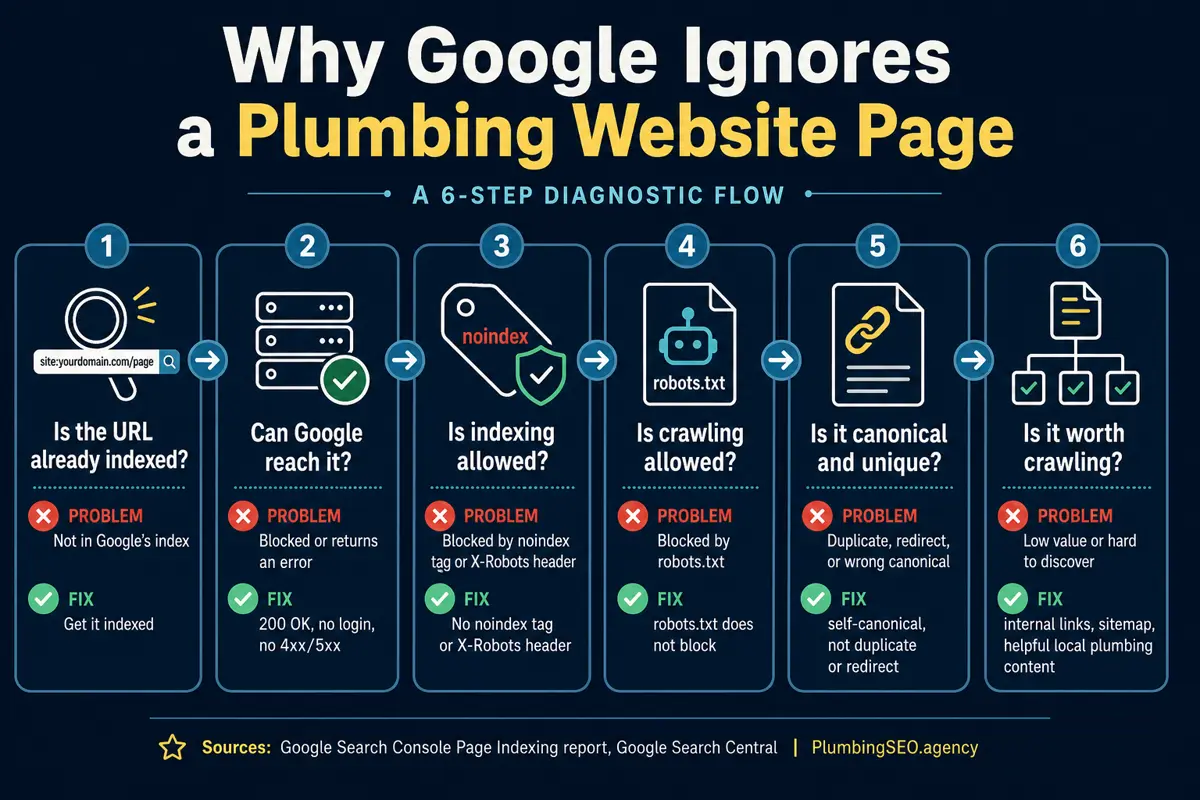
We look for the signal chain Google needs
A page can be discovered without being trusted enough to rank. The free audit checks the visible signal chain: clean canonical URL, indexable HTML, sitemap presence, meaningful internal links, descriptive images, unique service intent, and a conversion path that proves the page has a reason to exist.
That is why this page links to the paid audit, process, pricing, local SEO, indexing, canonical, and internal-linking resources without changing the free-audit slug. The goal is one clear audit destination with enough supporting context for both Google and plumbing owners.
How the free audit supports crawl discovery
The review separates basic access problems from page-quality problems so a plumbing owner can see whether Google needs a technical cleanup, clearer audit intent, or stronger internal support before the page can earn organic visibility.
Crawl path and sitemap match
We compare the visible page path with the sitemap and navigation path, then look for orphaned or weakly linked pages. The audit uses the same logic explained in our plumbing website indexing checklist: a page should be discoverable from useful site sections, not only listed in XML.
Canonical and duplication clarity
We check whether the page has one clean canonical URL, whether related pages compete for the same query, and whether the free diagnostic offer stays distinct from the paid audit service. For deeper background, see our guide to canonical tags on plumbing websites.
Internal link anchors that explain intent
We look for contextual links from process, pricing, services, and educational pages using anchors that explain the destination. That follows the site architecture principles in our internal linking guide for plumbing websites and keeps this free audit page easy for crawlers and owners to understand.
Want to understand the manual workflow before submitting? Read the plumbing SEO audit process, then return here to request the free diagnostic.
How this page earns its own indexable conversion purpose
The free audit page is not being replaced, redirected, or split into another slug. This July 29, 2026 discovered-not-indexed conversion-risk refresh strengthens the existing URL with a clearer crawl path, richer audit explanation, and contextual routes into the services and education pages that support the offer.
One canonical diagnostic offer
The free audit remains the single conversion page for plumbing owners who want a fast diagnostic before choosing a broader plumbing SEO service, SEO support for plumbing and drain companies, or a deeper paid audit.
Internal context around the crawl problem
The page now connects the offer to crawl-discovery education: the indexing checklist, canonical tag guide, and internal linking guide. Those links clarify why the audit exists and how it fits the site architecture.
Conversion routes after the first diagnosis
If the audit finds a design or lead-flow leak, the next path can be plumbing web design. If the blocker is local relevance, the path can be local SEO for plumbers. If the owner needs full evidence and prioritization, the path stays the paid plumbing website SEO audit.
What changed to support indexing without changing the URL
The repair keeps the existing free audit page in place and strengthens the signals Google can evaluate: title and meta clarity, above-the-fold intent, crawl-path explanation, schema detail, visible FAQ coverage, descriptive image context, and contextual links to supporting pages.
Clearer title, H1, and page purpose
The page now leads with free plumbing SEO audit, discovered-not-indexed diagnosis, crawl paths, Maps visibility, and qualified calls. That gives Google and owners a specific reason for this service page to exist apart from the homepage, pricing page, and paid audit page.
More crawl-path context
The copy explains why sitemap discovery is not enough and points readers to the plumbing website indexing checklist, internal linking guide, and canonical tag guide for supporting crawl signals.
Better next-step routing
The free diagnostic stays distinct from the deeper paid plumbing website SEO audit while still routing owners toward the SEO process, local SEO for plumbers, plumbing web design, or pricing when those are the right next steps.
Where the audit sends the next action
The free audit is not a dead-end lead form. It is the diagnostic entry point that routes a plumbing company toward the most relevant next page, fix, or service path.
If visibility is blocked by the site
The next step is usually a technical and content cleanup: title/meta clarity, canonical consistency, crawlable service pages, internal links, image alt text, and page sections that make the offer worth indexing.
If Google Maps is the leak
The audit routes toward local SEO for plumbers, Google Business Profile support, service-area proof, and website sections that reinforce the neighborhoods and services the company wants to win.
If service intent is missing
The next recommendation may be new or refreshed service pages, not a generic blog post. The audit checks whether profitable jobs deserve dedicated pages and whether existing pages have enough depth to compete.
If the diagnosis needs deeper proof
The free audit identifies the likely leak. The paid plumbing website SEO audit is the next route when a plumbing company needs a fuller technical report, competitor comparison, tracking review, and prioritized execution plan.
If the offer is working but calls are thin
The route may be conversion cleanup: clearer CTAs, stronger trust proof, better mobile call paths, or a package conversation from the plumbing SEO pricing page once the priority work is clear.
What the July 29 refresh adds for Google and plumbing owners
This update keeps the same published URL and adds clearer proof that the page is a useful conversion destination, not a thin duplicate of the homepage, the pricing page, or the deeper paid audit service.
Entity clarity around the free offer
The visible copy and Service schema now connect the phrase free plumbing SEO audit to a specific manual diagnostic: discovered-not-indexed risk, crawl paths, Google Maps support, service-page gaps, and mobile call conversion. Owners who need the full evidence package can continue to the paid plumbing website SEO audit without confusing the purpose of this page.
Index-worthiness beyond sitemap inclusion
The page explains why a URL can appear in a sitemap and still fail to earn indexation. It points readers to the plumbing website indexing checklist, internal linking guide, and canonical tag guide so the crawl-path education supports the conversion page instead of replacing it.
Commercial routing after the first diagnosis
The audit now routes follow-up work more explicitly: broad plumbing SEO services when the site needs ongoing growth, local SEO for plumbers when Maps is the leak, plumbing web design when the call path is weak, and pricing when the owner is ready to compare packages.
Conversion proof before the form
The page gives plumbing owners enough context to decide whether the free audit is worth submitting: what gets reviewed, what they receive back, when a paid audit is the better next step, and how the findings connect to calls and booked jobs. That substance supports the free audit request form without changing the CTA or URL.
Free plumbing SEO audit FAQs
What is included in the free plumbing SEO audit?
The audit reviews your website indexability, Google Business Profile visibility, service-area coverage, high-value service pages, internal links, conversion paths, and the competitors currently winning local search demand.
Is the audit automated?
No. Software may support the review, but the recommendations are manually checked against plumbing search intent, service areas, lead quality, and what local competitors are doing.
How long does it take?
Most requests receive a manual review within 48 hours. More complex multi-location plumbing companies may require extra review time so the recommendations stay accurate.
Do I need to be a client?
No. The audit is designed to show plumbing companies where rankings, calls, and booked jobs are leaking before any paid engagement is discussed.
Will this help if a page is discovered but not indexed?
Yes. One checkpoint is whether important service pages are crawlable, indexable, internally linked, uniquely useful, canonicalized correctly, and clear enough for Google to treat as worth indexing instead of leaving them in discovered-but-not-indexed status.
Can the audit show what to fix first?
Yes. Findings are sorted by impact so the next move is clear: local SEO cleanup, service-page expansion, technical indexability repair, internal-link routing, or conversion work.
Does the audit review internal links?
Yes. We check whether relevant pages and blog posts point searchers toward the correct audit, services, pricing, or process page instead of leaving routing unclear.
How is this different from the paid plumbing website SEO audit?
The free audit is the quick diagnostic entry point. The paid plumbing website SEO audit goes deeper into technical evidence, competitor pressure, service-page strategy, internal-link routing, conversion tracking, and a fuller execution roadmap.
What should I prepare?
Share your website, main service area, company name, and the biggest ranking or lead problem you want solved. Phone number and extra context are optional.
What will I get back from the free audit?
You receive a plain-English priority snapshot that explains the main index discovery, Maps visibility, service-page, internal-link, and call-conversion problems found, plus the recommended next action if a deeper paid audit or execution plan is needed.
Why would Google discover a plumbing SEO audit page but not index it?
Google may discover a page through the sitemap but delay indexing when the page has weak internal links, unclear purpose, overlapping content, thin helpful detail, or signals that do not prove the page deserves a separate search result. The free audit checks those crawl and quality signals together.
How does the free audit improve crawl-path clarity?
The audit looks beyond sitemap inclusion and checks whether important plumbing pages are reachable from navigation, service hubs, process pages, pricing pages, and relevant educational content with anchors that make the destination clear.
Why keep free audit intent separate from paid audit intent?
The free audit is the low-friction diagnostic offer for plumbing owners who need a first priority snapshot. The paid plumbing website SEO audit is the deeper evidence package for companies that need technical proof, competitor review, tracking cleanup, and a full execution roadmap.
Will this audit offer stay on the same URL?
Yes. The audit offer stays on the existing /services/free-seo-audit URL so Google, internal links, and plumbing owners have one consistent destination for the free diagnostic.
What changed in the July 29 discovered-not-indexed refresh?
The refresh sharpened the title, meta description, H1, Service schema, FAQ coverage, image alt context, crawl-path explanations, and next-step routing so the existing free audit page has a clearer index-worthy and conversion-ready purpose without changing its canonical URL.